Introduction: The Rise of the ‘Superfake’
In the dynamic world of luxury fashion, a quiet revolution has taken place. For decades, the distinction between an authentic designer handbag and a counterfeit was clear. Replicas were often characterized by stiff plastic materials, misaligned logos, and shoddy stitching—flaws you could spot from across the street. However, the landscape has dramatically shifted. Enter the era of the “Superfake.”
Today, the term “superfake” (or 1:1 replica) refers to a tier of luxury replicas so meticulously crafted that they routinely deceive fashion enthusiasts, authentication algorithms, and sometimes even the brand’s own sales associates. But the lingering question for both curious buyers and fashion purists remains: Are superfakes really identical to the original?
To answer this, we need to take a microscopic look at the anatomy of high-end luxury bags, tracing the evolution of craftsmanship and materials over the past decade to understand exactly where the lines between authentic and replica blur.

What Exactly is a Superfake?
Before comparing the two, it is crucial to define what sets a superfake apart from a standard replica. A superfake is not mass-produced in a standard assembly line. Instead, it is born in specialized, boutique workshops that treat bag-making as a high art form.
The philosophy behind a superfake is reverse-engineering. Artisans purchase authentic models—whether it is a classic Louis Vuitton Monogram piece or a highly coveted Chanel top-handle bag—and deconstruct them entirely. They measure every panel, count every stitch, weigh the hardware, and source the exact same or strictly equivalent materials. The goal is no longer just to “look” like the original, but to feel, smell, and age like it.
The Evolution of Craftsmanship: A 12-Year Retrospective
The jump in quality didn’t happen overnight. Looking back over the last 12 years of industry evolution, the shift is staggering. A decade ago, even top-tier replicas struggled with sourcing the correct leather tanneries or mastering the proprietary hand-stitching techniques of European houses.
Today, the artisans behind superfakes often possess the same training as those working in genuine luxury ateliers. Some have spent over a decade perfecting their craft. This wealth of experience means that complex techniques, such as the saddle-stitch or the precise edge-painting (marquetry) required for seamless bag borders, are executed with flawless precision.
Superfakes vs. Authentic: The Ultimate Side-by-Side Comparison
To determine if superfakes are truly identical to the originals, we must examine the four pillars of luxury bag construction: Materials, Stitching, Hardware, and Brand Stamping.

1. The Raw Materials: Leather and Canvas
Luxury houses pride themselves on their materials. Chanel’s buttery lambskin or durable caviar leather, and Louis Vuitton’s iconic coated canvas are legendary.
- The Authentic: Brands source their leathers from exclusive European tanneries. The leather undergoes rigorous treatment to achieve a specific texture and scent.
- The Superfake: High-end replica workshops now source leathers from those exact same tanneries in France, Italy, and Germany. If a bag requires imported Togo or Epsom leather, a superfake uses it. Therefore, the tactile experience, the weight of the leather, and even the distinct “new bag smell” are virtually indistinguishable.
2. The Stitching and Construction
- The Authentic: Authentic bags feature slight, deliberate imperfections when hand-stitched, or mathematical perfection when machine-stitched. The thread used is often coated in beeswax to prevent fraying and ensure longevity.
- The Superfake: Expert artisans have mastered the exact stitch count per inch. If an authentic strap features exactly 11 stitches, the superfake will have 11 stitches. The angle of the stitch—often a slight tilt—is replicated perfectly. While mid-tier fakes might use synthetic threads, true superfakes use the same linen or cotton-blend threads as the original houses.
3. Hardware and Zippers
Hardware is traditionally the Achilles’ heel of replicas.
- The Authentic: Authentic hardware is heavily plated with precious metals (such as 24k gold or palladium) or crafted from solid brass, giving it a substantial weight and a distinct, smooth zip mechanism (like the famous riri or LAMPO zippers).
- The Superfake: In recent years, premium boutique producers have invested in 3D scanning and CNC machining to replicate hardware molds perfectly. They use genuine gold plating to ensure the color isn’t too yellow or too brassy. While it is incredibly close, sometimes the micron thickness of the gold plating on a superfake might be marginally thinner than the original, though this is invisible to the naked eye.
4. Stamping, Serial Numbers, and Microchips
- The Authentic: Heat stamps are crisp, perfectly aligned, and have a specific depth. Modern authentic bags also utilize embedded RFID microchips instead of traditional date codes or authenticity cards.
- The Superfake: Top-tier replicas feature flawless typography on their heat stamps. More impressively, the most advanced superfakes now include scannable NFC or RFID chips that mimic the technological footprint of the authentic versions, successfully routing to official brand websites or mimicking internal tracking codes.
Spotlight on Iconic Styles
To truly understand the “identical” debate, let’s look at how this applies to some of the most sought-after brands in the world.
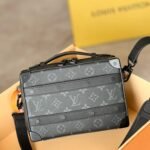
Louis Vuitton: Louis Vuitton’s Monogram canvas is known for its durability and specific color tone. The best superfakes have perfected the exact ratio of PVC, cotton, and polyurethane to ensure the canvas is neither too shiny nor too matte. The oxidation process of the Vachetta leather handles—a hallmark of authentic LV bags—happens naturally on superfakes as well, because genuine untreated cowhide is used.
Chanel:
Chanel bags, particularly the classic flap and newer Kelly-style top handles, rely heavily on structural integrity and the alignment of the signature diamond quilting. A true superfake matches the quilting seamlessly across the front flap and the back pocket. The iconic CC turn-lock is crafted with the exact edge-beveling as the original, making visual differentiation almost impossible without specialized magnification equipment.

The 1% Difference: Where the Lines Diverge
So, if the leather is identical, the stitching is exact, and the hardware is cloned… are they 100% identical?
The honest answer is: They are about 98% to 99% identical. There is usually a microscopic 1% difference, though it is rarely something a consumer can see or feel. It might lie in:
- Micro-Typography: Under a 50x jeweler’s loupe, the internal structure of a microscopic engraving on a zipper pull might look infinitesimally rougher on a replica.
- Proprietary Hidden Molds: Sometimes, an authentic bag features an internal reinforcement material that is proprietary and hidden between leather layers. A superfake might use a structural equivalent that performs the same way but has a different chemical composition.
- The Intangible ‘Aura’: For some collectors, the difference isn’t physical at all; it is the psychological knowledge of purchasing directly from the boutique with the accompanying boutique experience.
Why Consumers Are Turning to Superfakes
Understanding the sheer quality of these bags explains the exploding demand. Consumers are no longer buying replicas simply because they cannot afford the original. Many superfake buyers are wealthy individuals who already own extensive authentic collections.
The relentless annual price hikes by luxury houses—sometimes increasing prices by 10% to 20% in a single year—have left many buyers feeling alienated. When a boutique charges $10,000 for a leather bag, and a boutique replica producer offers a visually and structurally identical piece made from the same materials for a fraction of that cost, the value proposition becomes incredibly compelling. Consumers are choosing superfakes to travel with, to protect their authentic investments from wear and tear, or simply because they recognize the undeniable craftsmanship involved.

The Verdict: Are They Truly Identical?
To the naked eye, to the touch, and in practical daily use, superfakes are functionally and aesthetically identical to the originals. Unless you are a professional authenticator armed with a microscope, chemical testing kits, and deep, brand-specific internal knowledge, distinguishing a true superfake from a genuine boutique purchase is a nearly impossible task.
The replica industry has transcended its origins of cheap knock-offs. It is now a realm of high-end manufacturing driven by skilled artisans with deep industry experience. While purists will always argue that the 1% difference matters, for the pragmatic luxury lover, the superfake represents the pinnacle of accessible luxury—proving that impeccable style and craftsmanship don’t always have to come with an astronomical price tag.